Overview
On February 9, 2021, an apparently typical night, at precise periods such as 2:15:09 AM and again at 4:24:03 AM, something unusual might be noticed in the realm of eating customs. These timestamps, which can seem typical at first glance, might actually indicate classic instances of late-night cravings, a condition that is common but rarely thoroughly studied. In order to better understand these instances and how they mirror larger eating patterns, this essay will examine the motivations behind our late-night munching.
“9 Feb 2021 2:15:09 / 4:24:03 Food”: The Mysterious Enigma
What does the timing of these events mean in terms of food? It’s interesting to think of these as peak times when individuals are suddenly driven to their kitchens by hunger. Are these cravings happening at these exact times for a reason or pattern?
The Midnight Kitchen’s Allure
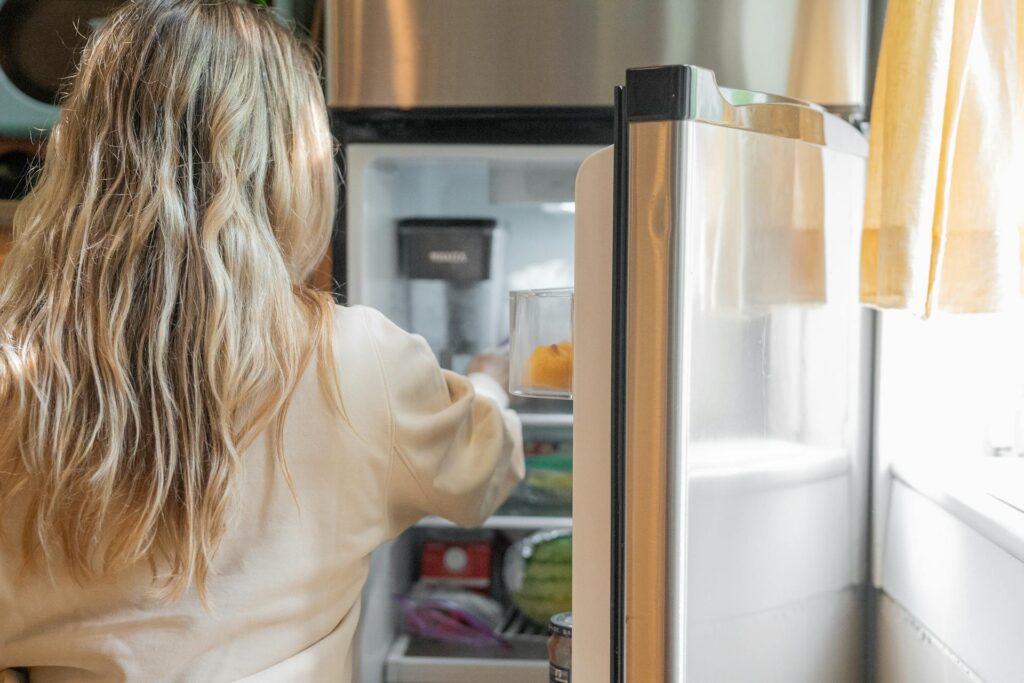
Not only are midnight cravings often driven by hunger, but also by familiarity, comfort, or even boredom. The kitchen turns into a haven of comfort where people may retreat for a little while from the worries of the day or the quiet of the night. The psychological and emotional causes for midnight kitchen trips are examined in this section.
Understanding Our Nocturnal Taste: The Science of Eating at Night
According to science, a number of factors affect our inclination to nibble late at night. Our bodies perform a complicated symphony that occasionally pushes us in the direction of the refrigerator after hours, according to hormone fluctuations and circadian cycles. This section will look at how this behaviour is influenced by biological and environmental factors.
Why Do I Get Odd-Hour Hunger?
Have you ever wondered why, just when everything else seems to be peaceful, you get a sudden hunger pang? This section will explore the psychological and physiological factors that can cause hunger cues to appear at odd hours, offering a more comprehensive knowledge of our bodies’ internal clocks.
February 9, 2021, 2:15:09 and 4:24:03 Observational Times in Our Food Routines
Examining the dining habits during the early hours of February 9, 2021, 2:15:09 / 4:24:03, offers an intriguing look at how our current lifestyles affect our food habits. These timestamps, which may have been obtained via statistics or anecdotal observations, may point to peak periods during which a large number of us give in to our appetites.
Contemporary Living and Evening Meals
People’s 24/7 lifestyles, which include late-night work sessions, binge-watching television, and scrolling through social media, greatly disturb sleep habits, which in turn leads to irregular eating hours. Food is readily available, and ready-to-eat meals and 24-hour delivery services may even encourage this behavior.
Cultural Changes in Food Customs
The limits of mealtimes are also changing culturally. Many civilizations now view eating at any time as normal, and this is bolstered by a trend in metropolitan areas toward more flexible daily routines.
The Reaction of the Body to Modified Patterns
From a biological standpoint, eating at odd times when the body anticipates sleeping might affect digestion and general well-being. It begs the issue of what long-term effects these habits may have on our well-being, including how they may affect our weight, sleep quality, and metabolism.
Adopting a Reasonable Strategy
It’s not enough to simply stop eating at strange hours; we also need to incorporate better habits that fit in with our contemporary lifestyles. If eating at night is inevitable, this entails establishing regular mealtimes, minimizing light exposure before to bed, and selecting nutritious yet pleasurable snacks.
Everyone’s Favourite Late-Night Treats: The Delights of Midnight Snacking
Which snacks are the most widely consumed during these late hours? In order to shed light on our shared comfort foods, this section will examine the range of foods that individuals enjoy, from the healthful to the decadent.
A Personal Story of Your Favourite 2 AM Snack
This section will explore the variety of choices people have for midnight snacks, encouraging readers to consider their own decisions. It also invites a closer examination of how these decisions fit into larger eating patterns: do they support them or interfere with them?
Sustainable and Ethical Nighttime Eating: A Conscientious Method
Thinking about how our late-night eating habits fit with ethical and sustainable eating practices is also crucial. This section will provide recommendations for coordinating midnight snacking with a more mindful eating strategy.
Final Reflections: An Evening Refuelling Story
To sum up, the examination of these particular instances on February 9, 2021, 2:15:09 / 4:24:03, in relation to food raises more general questions concerning our relationship with food, the timing of our eating habits, and how they connect to our lifestyle and health. Making better decisions regarding our diet and wellbeing can be facilitated by being aware of these trends.
Frequently Asked Questions
1.What do the times 2:15:09 and 4:24:03 on February 9, 2021, mean?
These exact times are used to draw attention to times when people might have late-night cravings or eat at night. As examples, they help us figure out why some people feel like they have to eat at strange times.
2.When people are hungry at these late hours, why do they feel that way?
There are many reasons why people feel hungry at odd hours, such as not getting enough sleep, hormonal imbalances (like changes in ghrelin and leptin levels), mental factors (like stress or boredom), and environmental factors (like being near computers that give off blue light).
3.What changes about eating these days because of the way people live?
Modern lifestyles that include changing sleep routines, using electronics at night, and having food available 24 hours a day, seven days a week can throw off natural eating patterns and make people snack more at odd hours.
4.Is there any way that eating at these times could hurt your health?
Eating at odd times, especially late at night, can make it hard to digest food and sleep. If it becomes a regular habit, it may also lead to weight gain and problems with your metabolism over time.
6.How can someone control or lessen their late-night cravings?
To control or lessen late-night cravings, try getting into a regular sleep routine, staying away from heavy meals and stimulating activities before bed, limiting blue light exposure in the evening, and choosing healthy, light snacks if you have to eat at night.
7.What are some good snacks that you can eat when you’re hungry late at night?
Some healthy late-night snacks are a handful of nuts, a piece of fruit, or a small bowl of whole-grain cereal with milk. These choices fill your hunger while still being light enough to not make sleep or digestion too hard.