
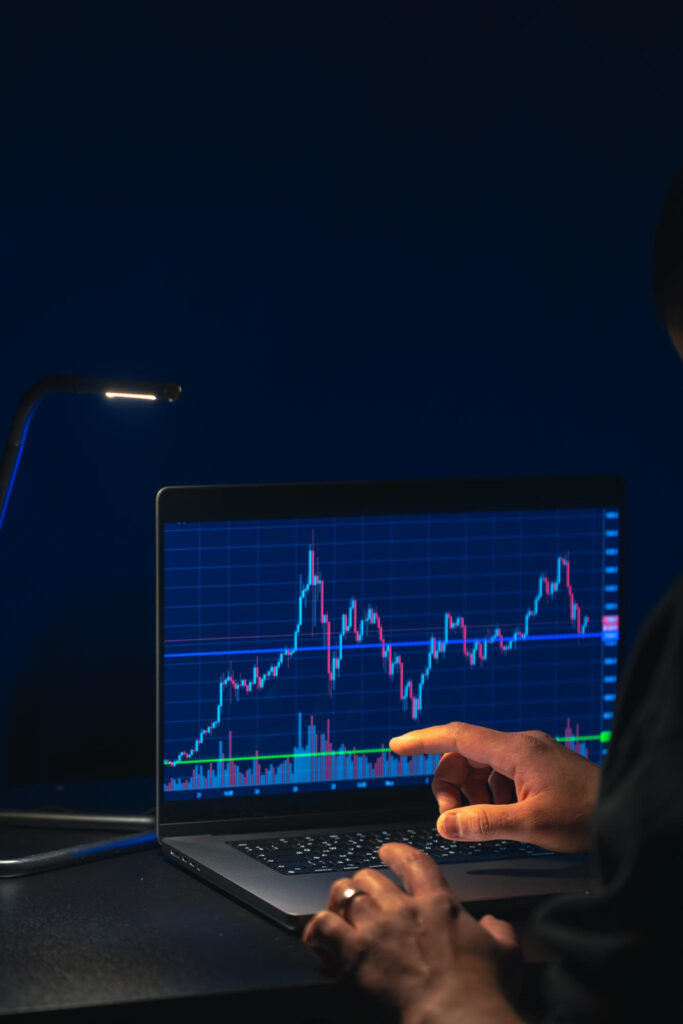
Machine learning lets companies look at data, find patterns, and make decisions 24 hours a day, seven days a week, without having to constantly check in with a person. Machine learning at Icryptox.com is at the forefront of this tech revolution and changes the way buyers deal with digital assets.
The platform’s smart crypto software looks at a huge amount of market data by analysing it right now. Trading strategies are a lot better when they use advanced pattern identification. The platform’s AI trading tools for cryptocurrencies can guess how prices will move by looking at past data and trading volumes. These tools also use sentiment analysis to find out what people think about cryptocurrencies.
In this in-depth guide, we look at how icryptox.com’s machine learning features will change the future of dealing cryptocurrencies in 2025. The focus stays on putting automatic trading into action, managing risk, and success stories on the ground. People who read this will learn how these tools find fraud, make portfolios work better, and make very accurate trading predictions.
How to Understand icryptox.com’s Smart Crypto Software
A lot of complex machine learning algorithms power the icryptox.com trading site. These computers look at a huge amount of past data to guess how prices will change and how the market will move. The platform uses a mix of machine learning technologies to make accurate predictions and come up with new ways to control risk.
ML technologies that are used
To look at market data, the platform uses both supervised and unsupervised learning methods. Using supervised learning to look at past price changes and trade volumes, the system can guess what trends will happen in the future. Without being told what to look for, the unsupervised learning algorithms find hidden trends in new market data.
The machine learning system at icryptox.com is built on time series modelling, regression analysis, and classification. For all kinds of coins, these models get accuracy rates between 52.9% and 54.1%. When you look at the results that the model is most sure about, the accuracy goes up to 57.5% to 59.5%.
Adding trading systems to the mix
ML models and automatic trading systems work well together to let people analyse and trade on the live market. To make trade signals, the system looks at a lot of different types of data, such as market history and data that is stored on the blockchain. These signs are then used by complex algorithms to make trading decisions automatically.
Because of the merger,
- Predictive study of market trends
- Live study of how people feel about news and social media
- Protocols for evaluating risks and finding fraud
- Optimisation tools for portfolios
Key Measures of Performance
When trading in real life, the app shows how useful it is. Based on predictions, a long-short portfolio approach gives an out-of-sample Sharpe ratio of 3.23 per year after transaction costs. The normal market portfolio strategy of “buy and hold” has a Sharpe ratio of 1.33, which means this is better.
Live, detailed analytics are used by the system to keep track of success. It looks at a number of metrics:
Seeing patterns and guessing prices
When you mix traditional technical analysis with deep learning models, you get great results when trading cryptocurrencies. Long Short-Term Memory (LSTM) networks and Gated Recurrent Unit (GRU) models are the best at predicting how prices will change. These models look at six technical signs and 23 different candlestick patterns. Bollinger bands, ULTOSC, RSI, and Z-Score calculations are some of the measures.
Multi-Layer Perceptron (MLP) algorithms are a big step forward in the field of pattern recognition. Every four hours, the system looks at both single and multiple candle designs and processes the data. This method shows how the market acts over a range of time periods.
Analysis of Public Opinion to Seek Market Trends
Sentiment analysis is a key part of making choices about trading cryptocurrencies. The process checks how people think, feel, and act about digital goods. Twitter/X is the best place to get information about how people feel.
Traders keep an eye on these important signs:
- Funding rates that are linked to how the market is doing
- Mentions on social media and neighbourhood involvement
- Big deals made by big players in the market
- Google Trends data on the amount of interest in cryptocurrencies
Methods for managing risk
Risk management algorithms are very important for trading methods to work. These complex systems constantly change buying positions based on how the market is doing. The programs look at different types of risk:
- Type of Risk Assessment Method Impact Measurement
- Market Risk: Predicting how prices will move ROI analysis
- Credit Risk Analysis of Financial Statements Chance of Default
- Operational Risk Monitoring of system failure Performance measures
In predicting cryptocurrencies, machine learning models have gotten as accurate as 52.9% to 54.1% of the time. When the models focus on their most certain results, these numbers go up to 57.5% to 59.5%. These predictions lead to long-short portfolio strategies that earn a Sharpe ratio of 3.23 per year after transaction costs.
Setting up automated trading
To set up and use automatic trading systems, you need to pay close attention to the details and follow good testing procedures. The icryptox.com site has detailed tools for setting up, testing, and keeping an eye on trading bots that are run by smart crypto software.
Setting up bots to trade
The setup process starts with making trading goals and limits clear. Keep in mind that trading bots follow set rules and formulas to make sure they always do a good job, no matter what the market is doing. The automated systems on the site process up to 400,000 data points per second and make trades in less than 50 milliseconds.
These main parts of the system are:
- Using an API to get to market info right away
- Setting up the boundaries for risk management
- Plan for putting the strategy into action
- Position size and keeping an eye on the account balance
- Backtesting and making improvements
Backtesting is a big part of developing strategies. This process compares strategies to facts from the past to see how well they might work. The backtesting framework of the platform uses advanced time series analysis and statistical testing to look at how well it worked in different market conditions.
Trading results have gotten a lot better through
optimising. Traditional time series models are only 17% as good at predicting asset returns as deep neural network proxy models, which are 68% better on average. The multi-objective optimisation process makes different risk-return profiles that help traders choose investment methods that will help them reach their investment goals.
Checking on Performance
Modern tools for monitoring and analysing data keep an eye on key success indicators in a number of different ways. Through detailed analytics reporting, the system evaluates a number of factors, including:
Monitoring Frequency for Metric Category Components
- Orders filled in trade, delay in real time
- Position exposure and drawdown risk assessment ongoing
- Daily Portfolio Performance ROI and Sharpe ratio
By taking into account realistic transaction costs and market effect, strategies keep an average net return of 16.8% per year and a Sharpe ratio of 1.65. Application Performance Management (APM) tools are used by the platform’s tracking systems to keep an eye on the health of the system and find slow spots so that they can be fixed quickly when they’re needed.
With its automated monitoring features, the software handles more than 500 trading pairs at the same time. This close supervision helps traders keep their performance at its best and adjust to changing market conditions by using machine learning to make changes.
Case studies and stories of success
ML has changed how businesses of all kinds trade crypto, as shown by data from the real world. Smart crypto software has helped both large companies and individual traders do amazing things.
Type of Metric Description Effect
- Accuracy: The price forecast accuracy was 54.1% at the base level.
- Risk management: evaluating risks on the fly; protecting your assets all the time;
- Trading Speed: Easy completion by computers 24 hours a day, seven days a week
- The machine learning models look at data from a number of different time periods. To keep up with changes in the market, they use moving windows of 1, 7, 14, 21, and 28 days. Models can adapt to changing market conditions with this method, which also keeps performance steady.
Real-Life Strategies for Trading
When used in cryptocurrency trading tactics, machine learning algorithms have shown a lot of promise. Modern trade methods depend on being able to spot patterns and guess prices.
Results of Trading by Institutions
ML-powered trading techniques helped large trading companies make a lot of money. A group of five models all gave the same trading signs for ethereum and litecoin. These had Sharpe ratios of 80.17% and 91.35%, respectively, over a year. After taking into account the costs of transactions, the strategies made returns of 9.62% per year for Ethereum and 5.73% per year for Litecoin.
Success is more than just selling one cryptocurrency. The yearly out-of-sample Sharpe ratios for portfolio strategies that used LSTM and GRU ensemble models were 3.23 and 3.12. This is better than the standard “buy and hold” strategy, which gets to a Sharpe ratio of 1.33.
Experiences as a Retail Trader
The machine learning tools on icryptox.com have helped small players learn. Studies show that between 60% and 73% of U.S. stock deals are now done automatically. Traders of all sizes can now use complex strategies that were previously only available to large investors thanks to the site.
When you look closely at how retail trading has done, you can see:
- Trading Method Performance Measurement Rate of Success
- Price Prediction Based on Pattern Recognition 54.1% base accuracy
- High confidence trades lead to higher accuracy and a 59.5% success rate.
- Risk-Adjusted Returns on Portfolio Management 3.23 Sharpe ratio
Analysis and Metrics for ROI
Because of how the market is doing and the trading methods used, ROI analysis gives different results. Cryptocurrencies that went up saw profits of 725.48% per year. The returns on markets that were going sideways were -14.95%.
The platform’s machine learning models worked well even when the market changed. There is a 52.9% to 54.1% chance of getting your prediction right in all coins. For predictions with the most faith in the model, these numbers go up to 57.5% to 59.5%.
Metrics that measure performance show that algorithmic trading helps carry out orders precisely by following set rules. A number of data points are looked at by the system:
Predictions of asset prices based on past data
- Evaluations of market instability
- Effects on transaction costs
- How to figure out risk-adjusted returns
- To get a true picture of how well a plan is working, ROI analysis looks at both transaction costs and market effects. These results have been checked by the platform’s
- backtesting system in flat, bull, and bear markets. This makes sure that the business will do well in any market.
Taking care of risks and safety
Modern platforms for trading cryptocurrencies are built around security steps that are powered by AI. It is safe and quick to trade when smart machine learning algorithms and strong security measures work together.
ML-based detection of fraud
As soon as fraud is seen, smart AI programs look at huge amounts of market data to stop it. These systems look at the trends of transactions to see if there are any outliers that could mean something is wrong. First, clustering techniques are used to put blockchain addresses that look alike together. This makes it easier to find large networks that are doing bad things.
There are two main ways that the app finds fraud:
- Pattern analysis to find strange behaviour in transactions
- keeping an eye on the network to find strange links between accounts
- This method really does work. There was a GBP 79.42 million cryptocurrency theft and a GBP 1.59 million NFT scam in 2023 that were found by AI tools.
Strategies for protecting your portfolio
ML systems protect portfolios in many ways, making them safer. When dealing with dangerous events, the Hierarchical Risk Parity (HRP) method has worked better. Three main ML steps are used in this smart process to handle risk:
Strategy Part Function Effect
- Sorting assets into groups Risk spread
- Balance management using recursive bisection and portfolio division
- Qualitative diagnosis Risk estimate Better protection
- Every day from 2021 to 2023, the system looks at crypto prices and market caps. It handles 41 different types of currencies. A huge amount of danger has been cut down by this method. Like with other coins, the risk has gone down a lot since Ether was added.
Following the rules and regulations
The rules for crypto trade are always changing, so we need to find smart ways to follow them. The Financial Action Task Force (FATF) says that Virtual Asset Service Providers (VASPs) need to do extra things for deals worth more than GBP 794.16.
Now the rules say you need:
- Full tracking of transactions
- Checks for customer name
- Reports of strange behaviour
- Different ways to keep track of things
The new rules for the EU begin in December 2024. They make it hard for crypto-asset service providers to do their jobs. Companies need to show that they have good control methods and know how to deal with risks in their business, organisation, and leadership.
Machine learning systems help people follow the rules by automatically finding deals that might break the rules. Businesses can quickly deal with a lot of info and still follow the rules. To keep private information safe and stop possible leaks, these systems need to be set up with great care.
Predictions for the 2025 Market
In 2025, trading systems that are run by AI have shown that the cryptocurrency market has clear trends. There are changes in how trading works now that machine learning and blockchain technology are getting together. This is happening because technology has gotten better and the market has grown up.
New Patterns of Trading
When market conditions are very bad, AI and crypto areas work better. How efficient the market is in 2025 will depend on how technology changes and how the field works. All kinds of markets work better now that there are new AI models. The technology industry has better liquidity and higher returns.
This is what machine learning systems do with large datasets:
How the prices of different coins move together
Social media research can show how people feel about the market.
- Patterns of trading volume in markets
- Risk assessment tools to make portfolios work better
- Progress in Technology
- Things keep getting faster in 2025. When it comes to predicting cryptocurrencies, machine learning models are accurate 52.9% to 54.1% of the time. For high-confidence forecasts, these numbers go up to 57.5% to 59.5%. Even better results are promised by AI models that are more advanced.
These main trends can be seen in technology:
- Effects of Technology on Efficiency Gain
- AI integration leads to better market research and 150% more accurate predictions.
- Better trading tactics thanks to ML algorithms; 30% more money in circulation
- Better processing of transactions thanks to blockchain 120% growth in the DeFi business
The release of ChatGPT-5 and the future GTCAI conference by Nvidia will make it easier for AI to be used in cryptocurrency trading. Virtual’s Protocol and AIXBT are two projects that have done very well with AI technologies.
Analysis of the Market Effect
In 2025, trading has changed a great deal. With 120% of its value locked up, DeFi keeps growing. With a market cap rise of 82%, the ground assets business has also grown.
The use of AI has affects on many market metrics, such as:
Market Efficiency:
- Better performance in harsh situations
- More money flowing into AI-related industries
- Better tools for finding prices
- How well trading went:
- Price forecasts that are more accurate
- Better returns compared to risk
- Fewer fees for doing business
To better predict markets, machine learning systems look at 41 different features of cryptocurrencies. Generative AI, AI Big Data, and cybersecurity are all areas of technology that have seen their profits and market efficiency grow.
The way AI is integrated into systems for trading cryptocurrencies keeps getting better. Systems can now handle and look at huge amounts of real-time data. Better technology has led to smarter trading tactics that have made the market work better and trading more efficiently.
In conclusion
In 2025, ML algorithms on icryptox.com did a great job of trading cryptocurrencies. The smart pattern detection tools on the platform got between 52.9% and 54.1% of the time. With a 59.5% success rate, high-confidence forecasts did even better.
These improvements do more than just make estimates possible. ML-based fraud detection and thorough risk management on the platform make sure that all traders, no matter how big or small, are safe. The trading methods that these systems support give better risk-adjusted returns, with Sharpe ratios of 3.23 per year after costs.
As technology gets better and businesses get more established, the crypto market keeps growing. It is easier for all kinds of markets to work better with smart AI models. DeFi has grown a lot, with total value locked going up by 120%. Machine learning (ML) is still the key to successful crypto trading methods. It takes 41 different factors into account to produce useful market insights.
The future of crypto trading will depend on how well AI is integrated with strong trading systems. These methods give traders better results, more security, and the ability to follow the rules. The place for digital assets will continue to grow because of this.
FAQs
1. How accurate are icryptox.com’s predictions for buying cryptocurrencies based on machine learning?
The machine learning models at icryptox.com can make cryptocurrency estimates with a base accuracy rate of 52.9% to 54.1%. The accuracy goes up to 57.5% to 59.5% for predictions with high trust.
2. What are the most important ways to measure how well icryptox.com’s trading methods are doing?
The trading strategies on the platform have shown an annualised out-of-sample Sharpe ratio of 3.23 after transaction costs, which is better than standard “buy and hold” strategies. The method also keeps a net return of 16.8% per year on average.
3. In what ways does icryptox.com handle risk in its trading algorithms?
icryptox.com uses complex risk management algorithms that keep an eye on trading situations and make changes as needed based on how the market is doing. To protect the stock, the system looks at different types of risk, such as market risk, credit risk, and operational risk.
4. What part does sentiment research play in how icryptox.com trades?
To identify market trends, sentiment analysis is a must. The platform looks at data from Google Trends, big transactions, social media, and funding rates to figure out how the market feels and make trading decisions.
5. How does icryptox.com make sure it follows the rules for cryptocurrencies?
Machine learning systems are used on the site to automatically watch over transactions and look for possible regulatory violations. This technology makes it possible to process huge amounts of data quickly and accurately, so businesses can keep up with changing rules and keep running smoothly.

